The Closets Fix ( TCF )
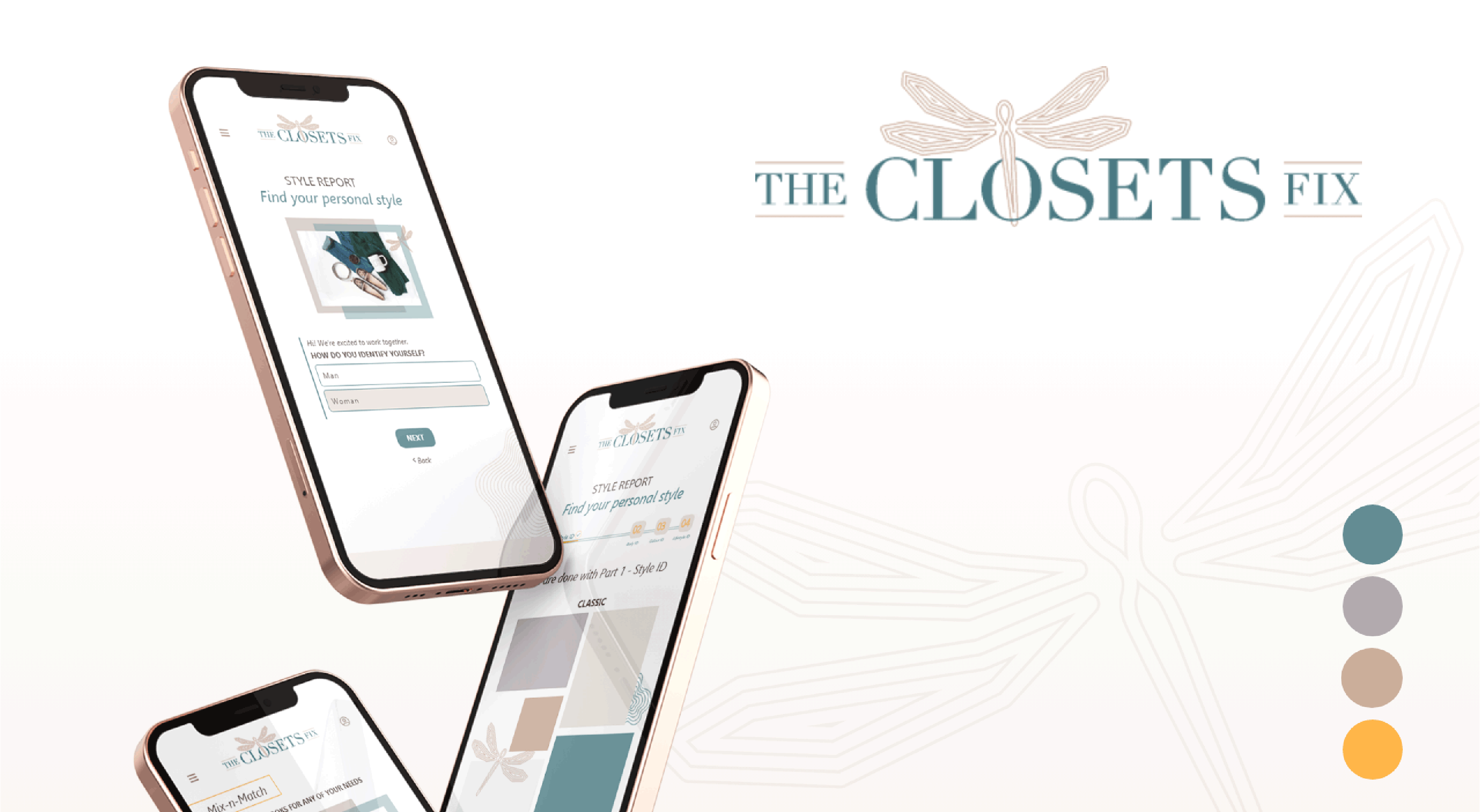
This project involved leading the end-to-end experience design for a pioneering Fashion-Tech platform designed to bridge the gap between physical wardrobes and digital fashion. Serving as the Experience Design Lead, I orchestrated the strategy for a cross-functional ecosystem that included a hybrid mobile application (iOS and Android) and a customer-facing website. The project went beyond interface design, encompassing stakeholder alignment, business value propositioning, and technical consultancy to define a scalable tech stack that supported automated wardrobe digitization and personalized fashion.
Client
The Closets Fix (TCF)
Timeline
3 Months
Skills & Methods
Experience Design (XD) Strategy
Design Technologist Consultancy
Stakeholder Management & Alignment
Cross-Functional Collaboration
Value Proposition Canvas
Digital Repository Architecture
Persona & Archetype Building
Agile Design Operations (DesignOps)
High-Fidelity Mock-up Design
Feedback Loop Facilitation
Mobile-First Ecosystems
Strategic Partnership Design
Team
Prathamesh Patil | Pallavi Borkar
PROBLEM
Modern fashion consumers often struggle with "closet blindness", owning a vast array of clothing yet feeling they have nothing to wear due to a lack of organization and styling inspiration. Existing solutions failed to offer a seamless way to digitize physical assets or provide intelligent, context-aware styling based on what a user already owns. From a business perspective, there was a missed opportunity to connect personal wardrobe data with affiliate commerce, leaving a gap between a user’s current closet and their future fashion needs.
SOLUTION
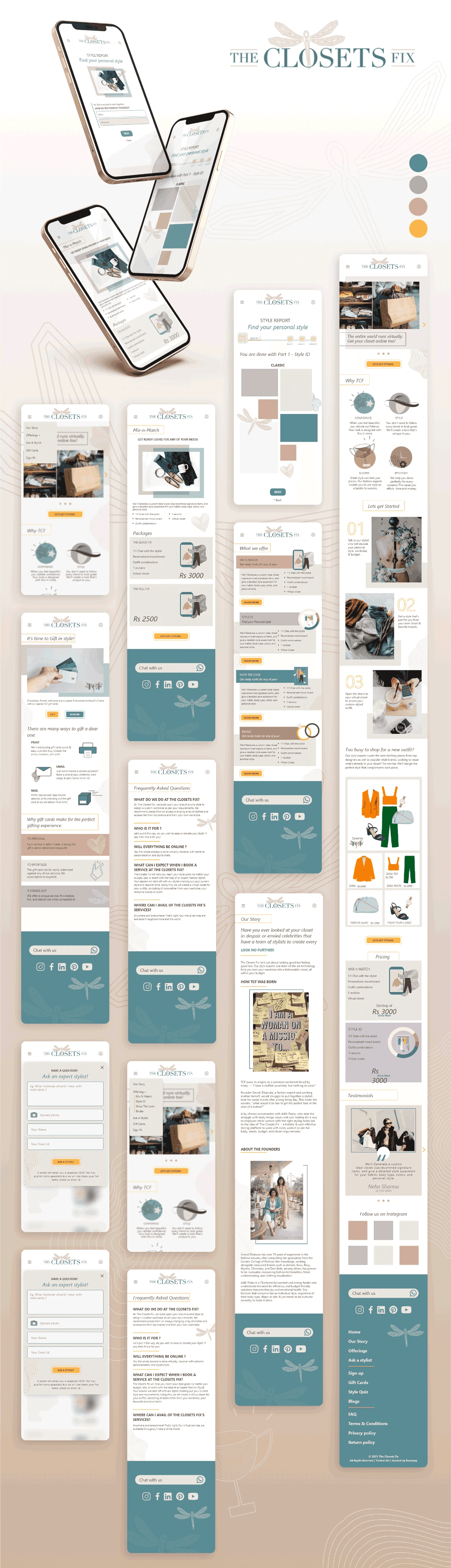
We developed a holistic digital ecosystem that transformed the personal closet into a data-driven fashion hub. Key features of the solution included:
Style Archetype Engine: A sophisticated recommendation system that analyzed a user's fashion choices to build a unique style persona.
Predictive Fashion Recommendations: An intelligent algorithm that suggested daily outfits by mixing existing wardrobe items with high-value pieces from strategic brand partners.
Integrated Affiliate Marketplace: A seamless transition from "inspiration to acquisition," allowing users to purchase recommended items through curated links.
VALUE DELIVERED
The project successfully moved the needle on both user engagement and business growth:
Enhanced User Engagement: High-fidelity feedback sessions revealed a significant increase in user satisfaction due to the "automated styling" feature.
Commercial Scalability: Established a new revenue stream through strategic partnerships with fashion brands, driven by personalized affiliate recommendations.
Operational Efficiency: By serving as a Design Technologist, I reduced development friction by aligning the technical stack with the UX vision from day one.
Market Differentiation: Positioned the brand as a leader in the Fashion-Tech space by offering a "Digital Closet" experience that outperformed traditional retail apps.
APPROACH
My approach was rooted in cross-functional leadership and strategic alignment. I facilitated workshops to bridge the gap between visual designers, developers, and business stakeholders, ensuring that the value proposition remained consistent throughout the lifecycle. As a Design Technologist, I conducted a feasibility analysis to finalize a hybrid application framework, ensuring the tech stack supported the heavy image-processing requirements of wardrobe digitization. The process was highly iterative, involving constant feedback loops and usability testing to refine the custom persona-building accuracy.
SUMMARY
In summary, this case study represents a shift from traditional UI/UX to a comprehensive Experience Design leadership role. By synthesizing user psychology, Technology-driven personalization, and business strategy, we created a successful product that redefined how users interact with their clothing. The result was a highly praised, commercially viable application that proved the power of digital-first fashion repositories in the modern market.
The Closets Fix ( TCF )
This project involved leading the end-to-end experience design for a pioneering Fashion-Tech platform designed to bridge the gap between physical wardrobes and digital fashion. Serving as the Experience Design Lead, I orchestrated the strategy for a cross-functional ecosystem that included a hybrid mobile application (iOS and Android) and a customer-facing website. The project went beyond interface design, encompassing stakeholder alignment, business value propositioning, and technical consultancy to define a scalable tech stack that supported automated wardrobe digitization and personalized fashion.
Client
The Closets Fix (TCF)
Timeline
3 Months
Skills & Methods
Experience Design (XD) Strategy
Design Technologist Consultancy
Stakeholder Management & Alignment
Cross-Functional Collaboration
Value Proposition Canvas
Digital Repository Architecture
Persona & Archetype Building
Agile Design Operations (DesignOps)
High-Fidelity Mock-up Design
Feedback Loop Facilitation
Mobile-First Ecosystems
Strategic Partnership Design
Team
Prathamesh Patil | Pallavi Borkar
PROBLEM
Modern fashion consumers often struggle with "closet blindness", owning a vast array of clothing yet feeling they have nothing to wear due to a lack of organization and styling inspiration. Existing solutions failed to offer a seamless way to digitize physical assets or provide intelligent, context-aware styling based on what a user already owns. From a business perspective, there was a missed opportunity to connect personal wardrobe data with affiliate commerce, leaving a gap between a user’s current closet and their future fashion needs.
SOLUTION
We developed a holistic digital ecosystem that transformed the personal closet into a data-driven fashion hub. Key features of the solution included:
Style Archetype Engine: A sophisticated recommendation system that analyzed a user's fashion choices to build a unique style persona.
Predictive Fashion Recommendations: An intelligent algorithm that suggested daily outfits by mixing existing wardrobe items with high-value pieces from strategic brand partners.
Integrated Affiliate Marketplace: A seamless transition from "inspiration to acquisition," allowing users to purchase recommended items through curated links.
VALUE DELIVERED
The project successfully moved the needle on both user engagement and business growth:
Enhanced User Engagement: High-fidelity feedback sessions revealed a significant increase in user satisfaction due to the "automated styling" feature.
Commercial Scalability: Established a new revenue stream through strategic partnerships with fashion brands, driven by personalized affiliate recommendations.
Operational Efficiency: By serving as a Design Technologist, I reduced development friction by aligning the technical stack with the UX vision from day one.
Market Differentiation: Positioned the brand as a leader in the Fashion-Tech space by offering a "Digital Closet" experience that outperformed traditional retail apps.
APPROACH
My approach was rooted in cross-functional leadership and strategic alignment. I facilitated workshops to bridge the gap between visual designers, developers, and business stakeholders, ensuring that the value proposition remained consistent throughout the lifecycle. As a Design Technologist, I conducted a feasibility analysis to finalize a hybrid application framework, ensuring the tech stack supported the heavy image-processing requirements of wardrobe digitization. The process was highly iterative, involving constant feedback loops and usability testing to refine the custom persona-building accuracy.
SUMMARY
In summary, this case study represents a shift from traditional UI/UX to a comprehensive Experience Design leadership role. By synthesizing user psychology, Technology-driven personalization, and business strategy, we created a successful product that redefined how users interact with their clothing. The result was a highly praised, commercially viable application that proved the power of digital-first fashion repositories in the modern market.
The Closets Fix ( TCF )
This project involved leading the end-to-end experience design for a pioneering Fashion-Tech platform designed to bridge the gap between physical wardrobes and digital fashion. Serving as the Experience Design Lead, I orchestrated the strategy for a cross-functional ecosystem that included a hybrid mobile application (iOS and Android) and a customer-facing website. The project went beyond interface design, encompassing stakeholder alignment, business value propositioning, and technical consultancy to define a scalable tech stack that supported automated wardrobe digitization and personalized fashion.
Client
The Closets Fix (TCF)
Timeline
3 Months
Skills & Methods
Experience Design (XD) Strategy
Design Technologist Consultancy
Stakeholder Management & Alignment
Cross-Functional Collaboration
Value Proposition Canvas
Digital Repository Architecture
Persona & Archetype Building
Agile Design Operations (DesignOps)
High-Fidelity Mock-up Design
Feedback Loop Facilitation
Mobile-First Ecosystems
Strategic Partnership Design
Team
Prathamesh Patil | Pallavi Borkar
PROBLEM
Modern fashion consumers often struggle with "closet blindness", owning a vast array of clothing yet feeling they have nothing to wear due to a lack of organization and styling inspiration. Existing solutions failed to offer a seamless way to digitize physical assets or provide intelligent, context-aware styling based on what a user already owns. From a business perspective, there was a missed opportunity to connect personal wardrobe data with affiliate commerce, leaving a gap between a user’s current closet and their future fashion needs.
SOLUTION
We developed a holistic digital ecosystem that transformed the personal closet into a data-driven fashion hub. Key features of the solution included:
Style Archetype Engine: A sophisticated recommendation system that analyzed a user's fashion choices to build a unique style persona.
Predictive Fashion Recommendations: An intelligent algorithm that suggested daily outfits by mixing existing wardrobe items with high-value pieces from strategic brand partners.
Integrated Affiliate Marketplace: A seamless transition from "inspiration to acquisition," allowing users to purchase recommended items through curated links.
VALUE DELIVERED
The project successfully moved the needle on both user engagement and business growth:
Enhanced User Engagement: High-fidelity feedback sessions revealed a significant increase in user satisfaction due to the "automated styling" feature.
Commercial Scalability: Established a new revenue stream through strategic partnerships with fashion brands, driven by personalized affiliate recommendations.
Operational Efficiency: By serving as a Design Technologist, I reduced development friction by aligning the technical stack with the UX vision from day one.
Market Differentiation: Positioned the brand as a leader in the Fashion-Tech space by offering a "Digital Closet" experience that outperformed traditional retail apps.
APPROACH
My approach was rooted in cross-functional leadership and strategic alignment. I facilitated workshops to bridge the gap between visual designers, developers, and business stakeholders, ensuring that the value proposition remained consistent throughout the lifecycle. As a Design Technologist, I conducted a feasibility analysis to finalize a hybrid application framework, ensuring the tech stack supported the heavy image-processing requirements of wardrobe digitization. The process was highly iterative, involving constant feedback loops and usability testing to refine the custom persona-building accuracy.
SUMMARY
In summary, this case study represents a shift from traditional UI/UX to a comprehensive Experience Design leadership role. By synthesizing user psychology, Technology-driven personalization, and business strategy, we created a successful product that redefined how users interact with their clothing. The result was a highly praised, commercially viable application that proved the power of digital-first fashion repositories in the modern market.